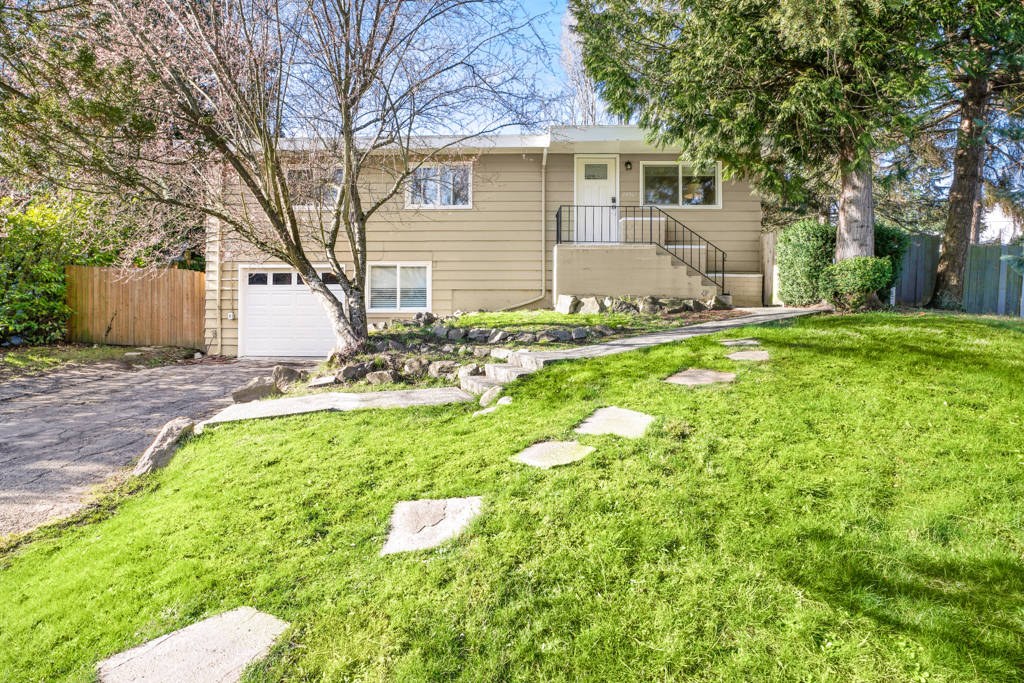
Beyond Aesthetics: Enhancing Biodiversity with Creative Landscaping Dec 18, 2025
Landscaping is not just about creating visual appeal. It’s about crafting an environment that collaborates with nature rather than competes with it. By incorporating native plants, you can greatly enhance biodiversity. Native plants, which have evolved over thousands of years, seamlessly blend into the local ecosystem, providing food and shelter for local wildlife. For instance, native wildflowers attract pollinators like bees, butterflies, and birds. By using a variety of these species, you create a garden that blooms throughout different seasons, thereby supporting local wildlife year-round.
Another significant element of biodiversity-focused landscaping is the inclusion of water features. Ponds, birdbaths, or even a simple water fountain can serve as a crucial water source for many animals. These features help create mini-habitats where amphibians, dragonflies, and birds can thrive. Water features do not just serve the purpose of hydration; they also contribute to regulating the ecosystem, maintaining humidity levels, and offering a breeding ground for various species.
A key aspect of enhancing biodiversity in your landscape is creating layers of vegetation. Different strata of plants provide diverse habitats and microenvironments. This can be achieved by incorporating varying heights of plants—from ground covers and shrubs to tall trees. Such a layered approach not only creates a rich tapestry of colors and textures but also multiplies the available niches for different organisms. For example, low-lying shrubs can serve as hiding spots for small mammals, while taller trees become nesting sites for birds.
Moreover, employing organic gardening practices can significantly bolster the biodiversity in your yard. By avoiding chemical pesticides and fertilizers, you invite beneficial insects and create a balanced ecosystem. Organic practices ensure that the food chain remains intact, allowing natural pest controllers like ladybugs and lacewings to thrive, thereby maintaining a healthy garden.
Additionally, consider incorporating hedgerows or natural fences in your landscaping design. These provide essential corridors for wildlife, offering protection and passage between habitats. Hedgerows can be planted with a mix of shrubs and trees and, over time, can become living walls of biodiversity. They not only serve functional roles but also add privacy and reduce noise pollution, enhancing your outdoor living experience.
To ensure your landscaping efforts are successful, it’s crucial to tailor these solutions to your specific location. Consult with professionals like Lane Landscaping, who are equipped with the knowledge and experience to create spaces that harmonize aesthetics with ecological functionality.
In conclusion, creative landscaping provides an opportunity to foster a more biodiverse and resilient environment. Beyond the beauty and tranquility such spaces can provide, they serve a larger purpose of supporting life and sustainability. By making conscious choices in your landscape design, you contribute towards a healthier planet, transforming your outdoor space into a thriving microcosm of life. At Lane Landscaping, we're committed to guiding you through this transformative journey, ensuring your surroundings are as sustainable as they are beautiful.
/filters:no_upscale()/filters:format(webp)/media/7a4e8e96-cc5c-4594-bc64-a42f7917434b.jpeg)
/filters:no_upscale()/filters:format(webp)/media/9b83dc8c-2a14-41ad-8396-dac03eea439c.jpeg)