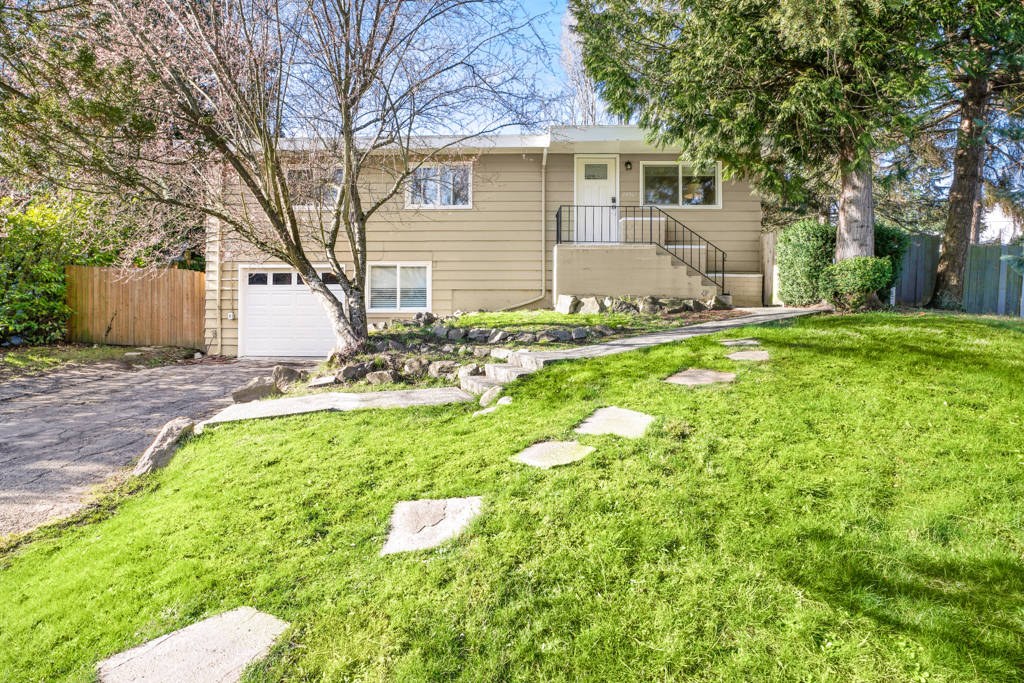
Lane Landscaping's Secrets to Creating a Pollinator-Friendly Garden Oct 17, 2025
Pollinators play an essential role in maintaining the biodiversity of our environment. Bees, butterflies, hummingbirds, and even bats are responsible for pollinating many of the plants we depend on for food and aesthetic value. By crafting a pollinator-friendly garden, you're contributing to the health of our ecosystems while enjoying a vibrant outdoor space.
To get started, consider focusing on native plants. Native flora is well-suited to the local climate and soil conditions, making it easier to maintain. More importantly, these plants have co-evolved with local pollinators, ensuring a reliable food source. Lane Landscaping can guide you in selecting the right mix of flowers and shrubs that will attract and nourish pollinators.
Another key element is to ensure a succession of blooms throughout the growing season. Bees and butterflies require food from early spring to late fall. By planting a variety of species that flower at different times, your garden will provide a consistent and diverse source of nectar and pollen. Lane Landscaping suggests integrating early-bloomers like crocuses and late-season sunflowers to keep the pollinators buzzing year-round.
When designing your garden, include patches of bare soil or sandy areas for ground-nesting bees. These solitary bees are crucial pollinators and can often be overlooked in garden planning. At Lane Landscaping, we emphasize creating these essential habitats to support the full spectrum of pollinator diversity.
It’s also vital to eliminate or reduce pesticide use. Chemicals intended to kill pests can also harm pollinators. In particular, neonicotinoids are known to disrupt the navigation systems of bees, leading to colony losses. Instead, Lane Landscaping advises using natural pest control methods like introducing beneficial insects or companion planting.
Water is another critical resource for pollinators. Butterflies, for instance, often get their moisture needs from puddles and dew. Consider incorporating a shallow water feature or a birdbath with landing stones. This not only serves pollinators but adds a tranquil aesthetic to your garden.
Incorporating sheltered areas is another secret to create a supportive environment. Dense plantings, hedgerows, or even a well-placed brush pile can offer protection from the elements. Lane Landscaping excels at integrating such features seamlessly into the garden design.
Finally, don't forget to engage with your space. Spend time in your garden observing the patterns and behaviors of visiting pollinators. This practice not only provides personal enjoyment but also informs any adjustments you might need to make for a more effective pollinator habitat.
In conclusion, creating a pollinator-friendly garden is a rewarding endeavor for both you and the environment. With guidance from Lane Landscaping, your garden can become a sanctuary that promotes biodiversity and offers sustenance to these crucial creatures. Embrace these natural landscaping techniques to not only elevate your outdoor space but also to play a part in preserving our planet's health for future generations.
/filters:no_upscale()/filters:format(webp)/media/7a4e8e96-cc5c-4594-bc64-a42f7917434b.jpeg)
/filters:no_upscale()/filters:format(webp)/media/9b83dc8c-2a14-41ad-8396-dac03eea439c.jpeg)